
March 25: Today’s News Squeezed
12:35
The list of Iranian demands according to The Wall Street Journal:
▪️Immediate closure of all American bases in the Persian Gulf and the Arabian Peninsula
▪️Official and binding guarantees to avoid further attacks
▪️End of Israeli attacks on Hezbollah in Lebanon
▪️Removal of all sanctions on the Iranian economy and its officials.
▪️Compensation for war damages from the United States
▪️No restrictions on the missile program from the West and the GCC – Gulf Cooperation Council
The ruling regime in Iran also wants a new decree for the Strait of Hormuz that would allow Iran to charge fees from ships passing through the waterway, similar to what Egypt currently does with the Suez Canal, even though it does not control both sides of the strait.
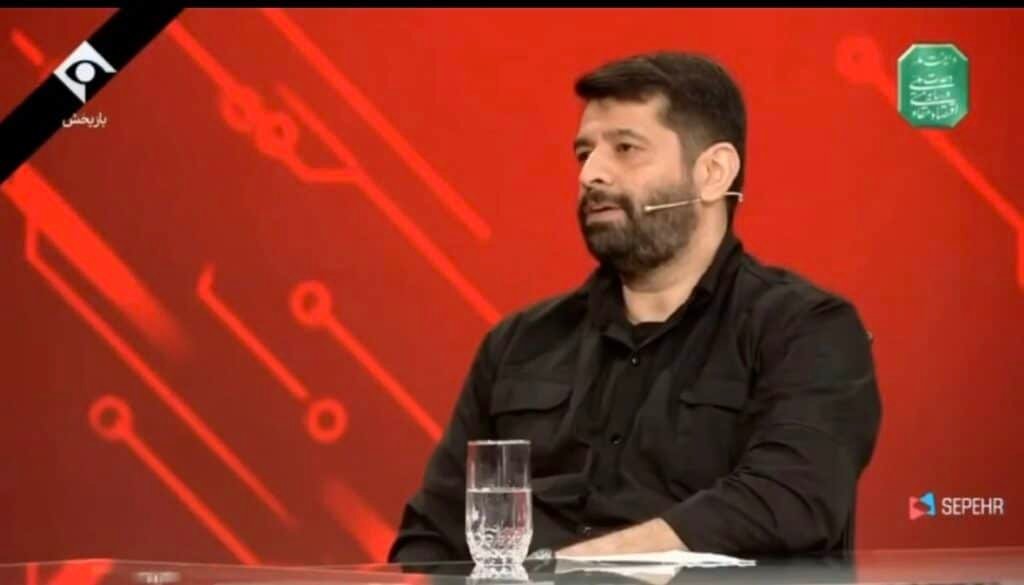
An Iranian commentator on IRIB, the Iranian state television:
“If the US makes a mistake, Iran’s security forces are capable and ready to seize the coasts of the United Arab Emirates and Bahrain and fundamentally change the regional landscape.”
The Kuwaiti Ministry of Defense is warning its residents about a possible radioactive nuclear leak as a result of the events in the Middle East..
The Bahraini Interior Ministry is calling on citizens to prepare for an emergency by filling their fuel tanks and charging their phones.

Iranian official representative Ali Akbar Ahmadian:
We have only one message for American soldiers: Come closer.
A representative of the Saudi Arabian Foreign Ministry refuted media claims that the Saudi leadership is in favor of prolonging the war with Iran, according to Al Arabiya.
He stated that Saudi Arabia is not interested in escalating the conflict.
Earlier, the New York Times, citing sources, reported that Saudi Prince Mohammed bin Salman is pushing Donald Trump to continue the war with Iran, as he views the current situation as a “historic opportunity” for the redistribution of the region.
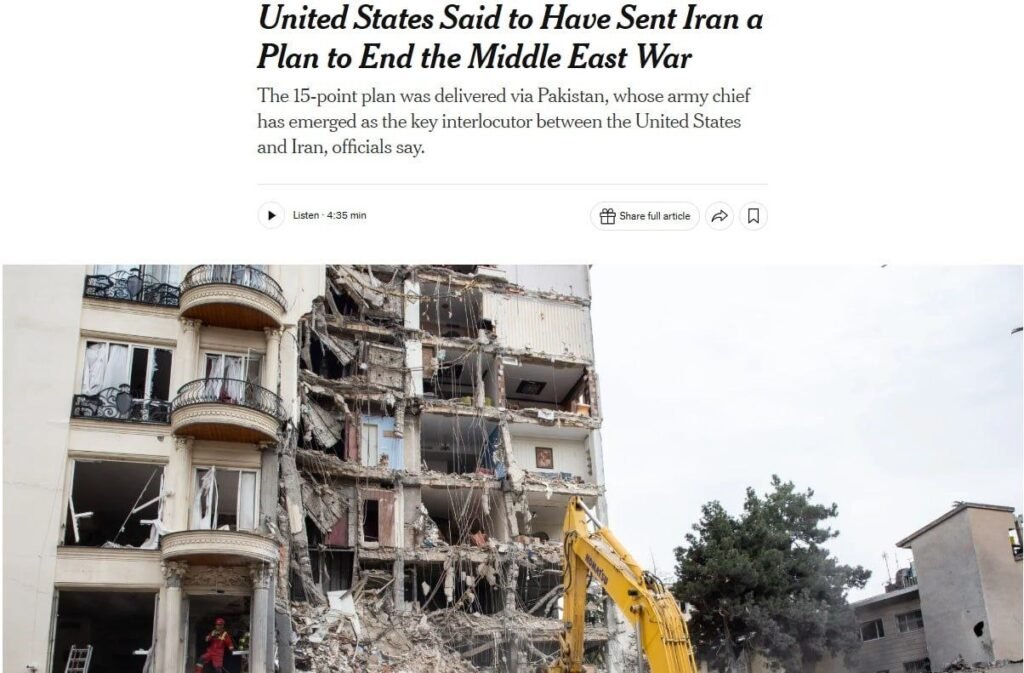
The United States has sent a 15-point plan to Iran for ending the war, The New York Times reports, citing sources.
According to the newspaper’s sources, Washington’s plan broadly concerns Iran’s ballistic missile program, the country’s nuclear program, and maritime navigation issues. Most of its points have already appeared in the media.
The US demands:
1. Maintaining the openness of the Strait of Hormuz as a “free maritime zone”.
2. Limiting the missile program in terms of quantity and range.
3. Restricting the use of missiles solely for self-defense purposes.
4. Dismantling the already accumulated nuclear potential.
5. Renouncing any ambitions to acquire nuclear weapons.
6. Prohibiting the enrichment of nuclear material in Iran.
7. Transferring all enriched material to the IAEA in accordance with a schedule agreed upon by the parties.
8. Destroying nuclear facilities in Natanz, Isfahan, and Fordow.
9. Transparency and IAEA control over what is happening in Iran.
10. Renouncing the strategy of using armed proxy groups in the region.
11. Ceasing the financing and arming of militias in the Middle East.
Counter-concessions for Iran:
1. Lifting all sanctions.
2. American assistance in promoting and developing a civilian nuclear program in Bushehr (electricity production).
3. Lifting the threat of resuming sanctions.
As NYT notes, the key intermediary between the US and Iran was the commander of the Pakistani army, Said Asim Munir.
The publication notes that it is not yet clear how widely the plan, transmitted through Pakistan, has been distributed among Iranian officials and whether Iran will accept it as a basis for negotiations. It is also unknown whether Israel supports this proposal.
As the publication notes, this plan and the White House’s desire for negotiations mean that Donald Trump is likely ready to agree that the current regime in Iran will remain in power.
Recall that Iran generally denies that it is negotiating with the US, calling Trump’s statements about this an attempt to manipulate oil prices and financial market quotes.
In addition, Tehran is voicing its conditions for ending the war – payment of compensation to Iran for the attack on it, the withdrawal of all American bases from the Persian Gulf, the lifting of all sanctions, guarantees of non-aggression from the US and Israel.
As we can see, of all these points, only one coincides with the American proposals – the lifting of all sanctions.

The Pentagon plans to deploy about 3,000 paratroopers from the 82nd Division to the Middle East, a written order is expected in the coming hours, reports The Wall Street Journal, citing two American officials.
Officials told the publication that a decision on deploying troops in Iran has not yet been made.
Where exactly American troops are planned to be relocated, if such a decision is made, the sources do not specify.
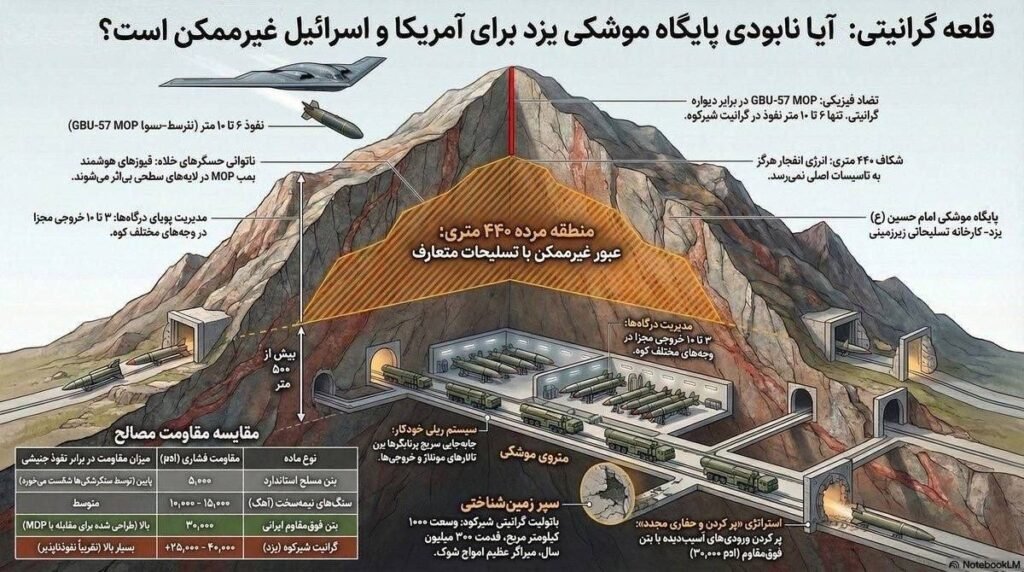
According to estimates, Iran has 27 missile cities dug deep underground. Israelis and Americans constantly attack the entrances to these missile cities, knowing that it is almost impossible to hit the complexes themselves. In some cases, satellite images show that the Iranians manage to reopen the bombed access points within just 48 hours, using engineering equipment deployed to the area.
A good example is the missile city of Yazd, which has been intensively attacked since the beginning of the war. This missile city is located deep under Granite rock mountain, making the task of hitting the complex extremely difficult.
Volkswagen is negotiating to produce components for the Iron Dome
According to a report in the Financial Times, the German car manufacturer is in talks with Rafael to convert the Osnabrück plant from car production to manufacturing components for the Iron Dome.
Production at the converted facility could begin within 12 to 18 months, subject to employee approval to switch to weapons manufacturing. The German government is actively supporting the proposal.
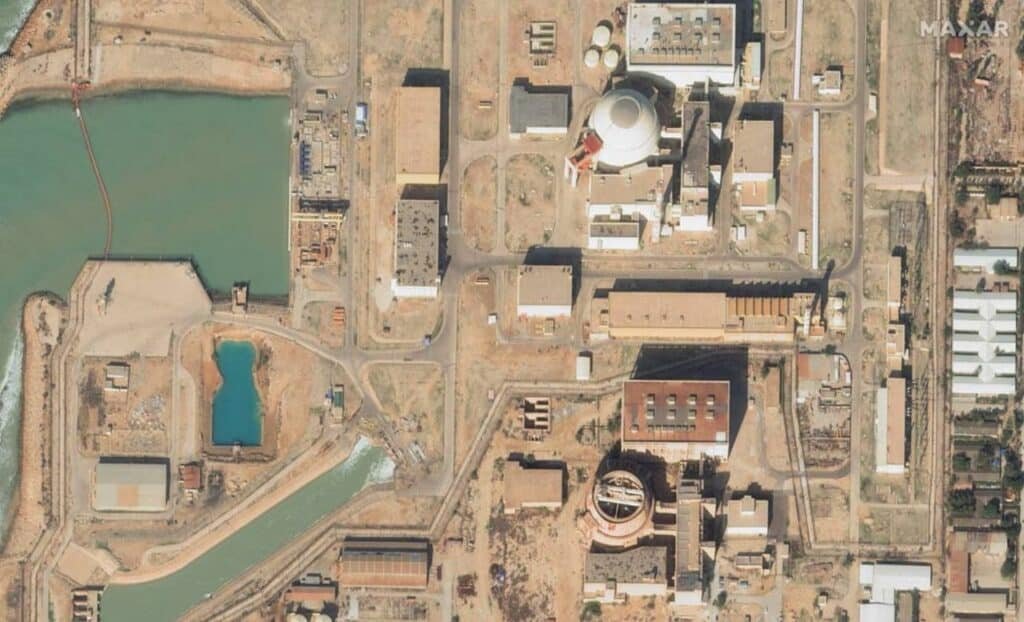
Iranian news agency IRNA: The US and Israel attacked around the nuclear reactor in Bushehr, but adds there was no damage, no casualties, and no impact on the facility itself.